What to check before buying land in Nosara
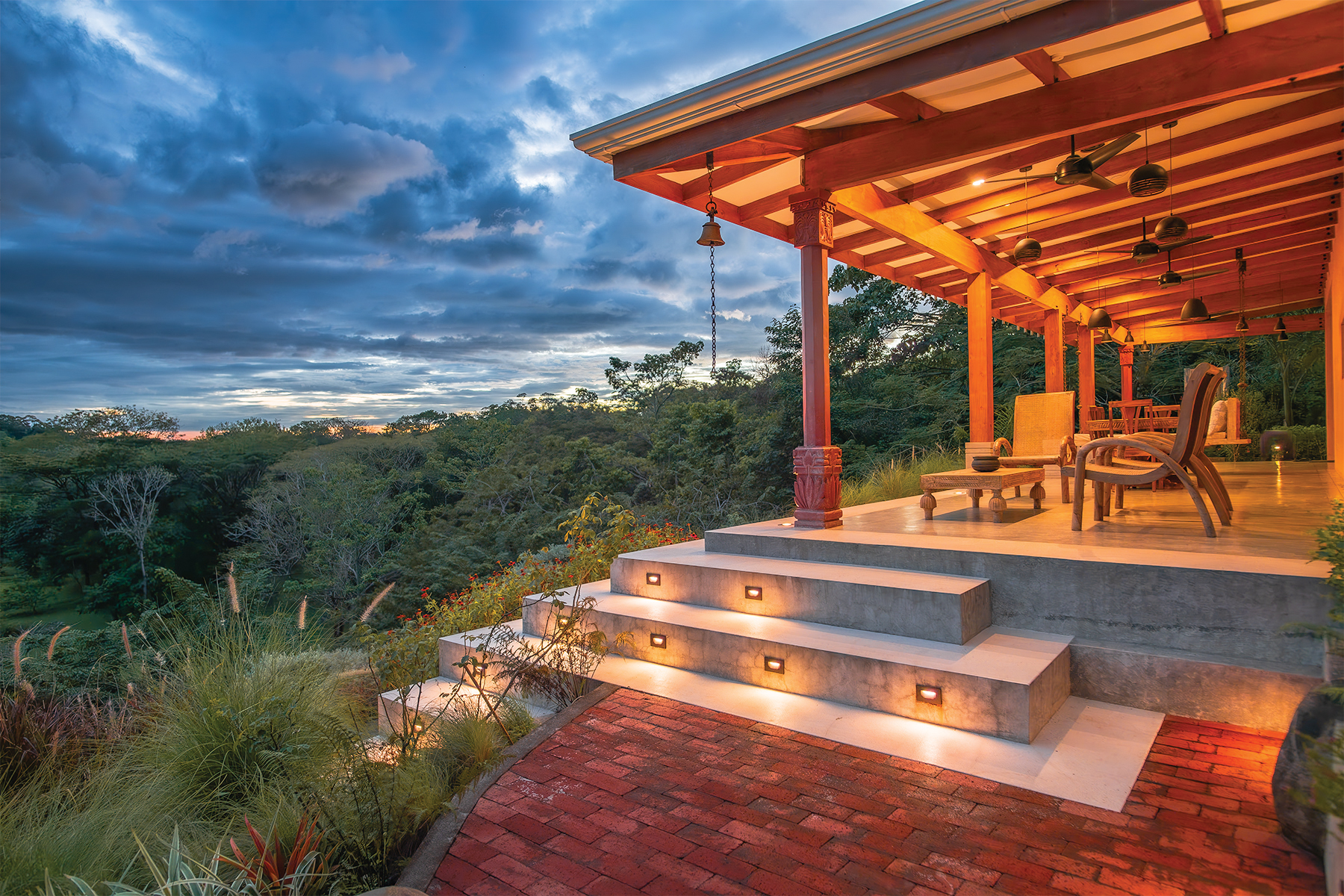
Most problems with Costa Rican land are discoverable before you buy. They are missed because buyers arrive in love with a view and ask about the view. This is the list to work through instead, in the order that matters.
Water first. Always water first.
1. Water rights
Does the property have a concession — the state’s grant of the right to extract — or only a well? They are not the same thing, and land marketed as “has water” can mean either.
Ask for: the concession document, its term, its current status, whether it transfers on sale, and how many independent sources exist. A property depending on a neighbour’s goodwill has a different risk profile from one that does not. The full explanation is here.
2. Registry study, on the parcel and on the company
Commission it through your own lawyer, never the seller’s.
It should confirm the registered owner, the folio real, and every encumbrance: mortgages, liens, annotations, rights of way, and any recorded ecological easement. If the land is held in a corporation, study the company too — its filings, its legal representative, and its history. How corporate ownership works here.
3. The survey plan against the ground
Get the plano catastrado and walk the boundaries against it.
Fences in Guanacaste are where somebody put a fence, not necessarily where the boundary runs. Confirm the registered area matches what you are being sold, and that the plan is current rather than a decades-old drawing.
4. Access
Is the road public, or a registered right of way across someone else’s land, or neither?
An unregistered access arrangement that has worked for twenty years is not a legal right. Ask what the road does in October, when the rains are heaviest, and preferably see it then.
5. The maritime zone
Land within 200 metres of the high-tide line falls under a separate concession regime and cannot be owned outright.
This is straightforward for inland parcels and a serious matter near the beach. Confirm it rather than assume it, and be wary of anything oceanfront sold as freehold.
6. Setbacks, rivers and slope
River margins carry protected setbacks under the Forestry Law, and steep ground carries its own restrictions.
For a property with river frontage this defines what can be built and where. It is not a reason to avoid river land — the setback is often exactly what makes it valuable as habitat — but you should know the line before you plan around it.
7. Utilities, verified at the address
Electricity supply and whether there is backup. Internet: what is actually available at that specific address, not what exists in the district. Whether the property has more than one connection option. What this looks like in practice.
8. Municipal standing and permits
Property tax up to date, and any prior permits or proceedings on file with the Municipality of Nicoya. Ask directly whether there has ever been an enforcement matter on the parcel.
9. Who is representing you
Your own lawyer, your own notary, your own escrow agent — all independent of the seller.
Costa Rica’s notary carries public-faith authority and presents the transfer to the Registry. The transfer completes when the Registry records it, not when the parties sign. Use someone whose duty runs to you.
What a good answer looks like
Documents, not reassurance. A seller who has done this properly can hand you the concession, the plano, the registry study and the corporate papers without a delay. One who cannot is telling you something.
The short version
Before buying land in Nosara or anywhere in Guanacaste, verify in this order: water concession and whether it transfers; a registry study on both parcel and owning company, commissioned by your own lawyer; the plano catastrado walked against the ground; legal road access; maritime-zone status; river setbacks and slope restrictions; utilities confirmed at the address; municipal standing. Use your own lawyer, notary and escrow agent throughout.
The Sanctuary Estate is 16.3 acres on the Nosara River with a registered survey plan, a 100-metre well under a ten-year concession that transfers with the sale, and a secured water letter. Every plant on it is catalogued at gardens.thesanctuaryestate.com. See the property, or arrange a private viewing.
Related reading
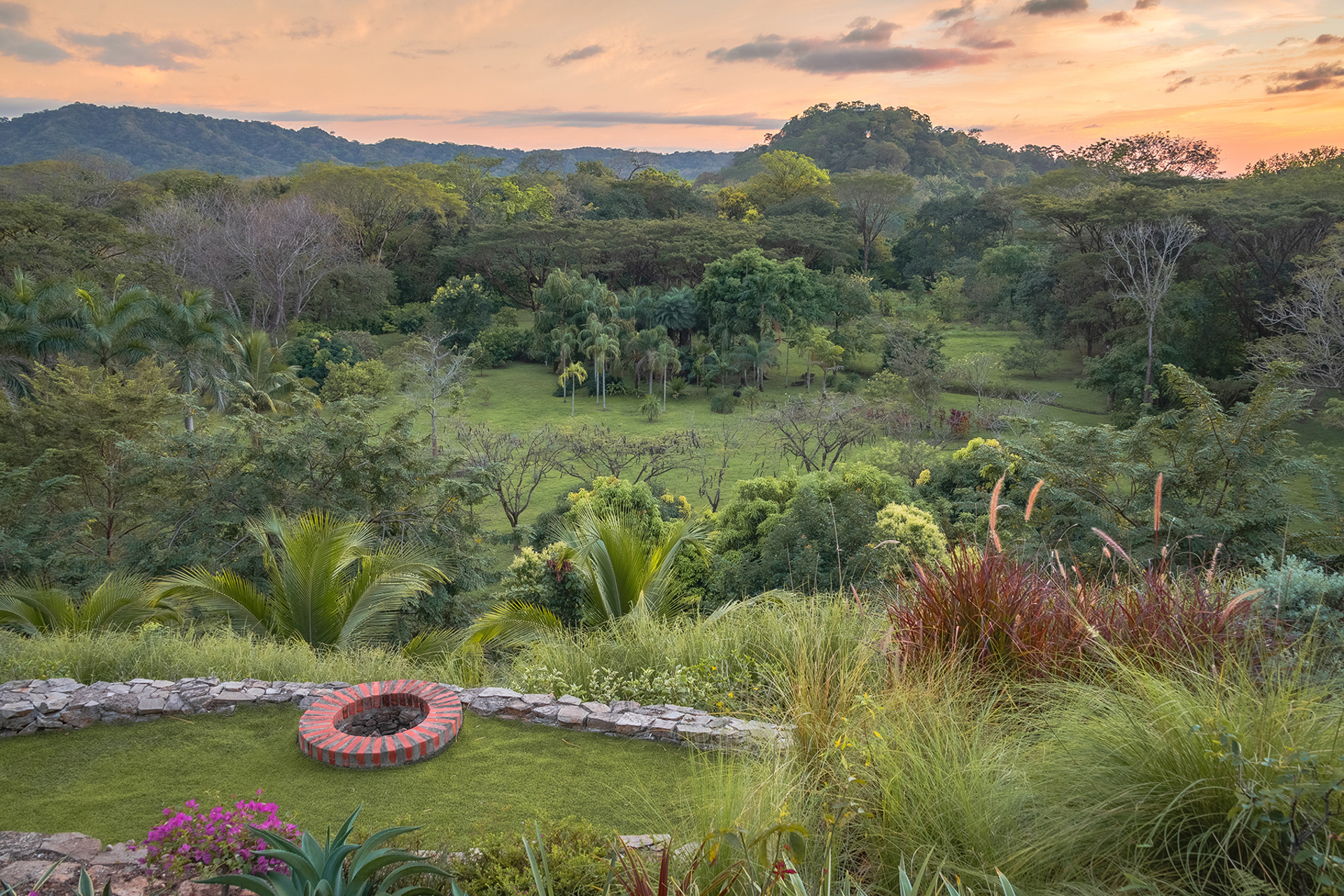
From cattle to canopy: three Nicoya restorations
Degraded pasture becoming forest again on the Nicoya Peninsula — the Eden Project at Matambú, a private reserve on the Nosara River, and this estate.
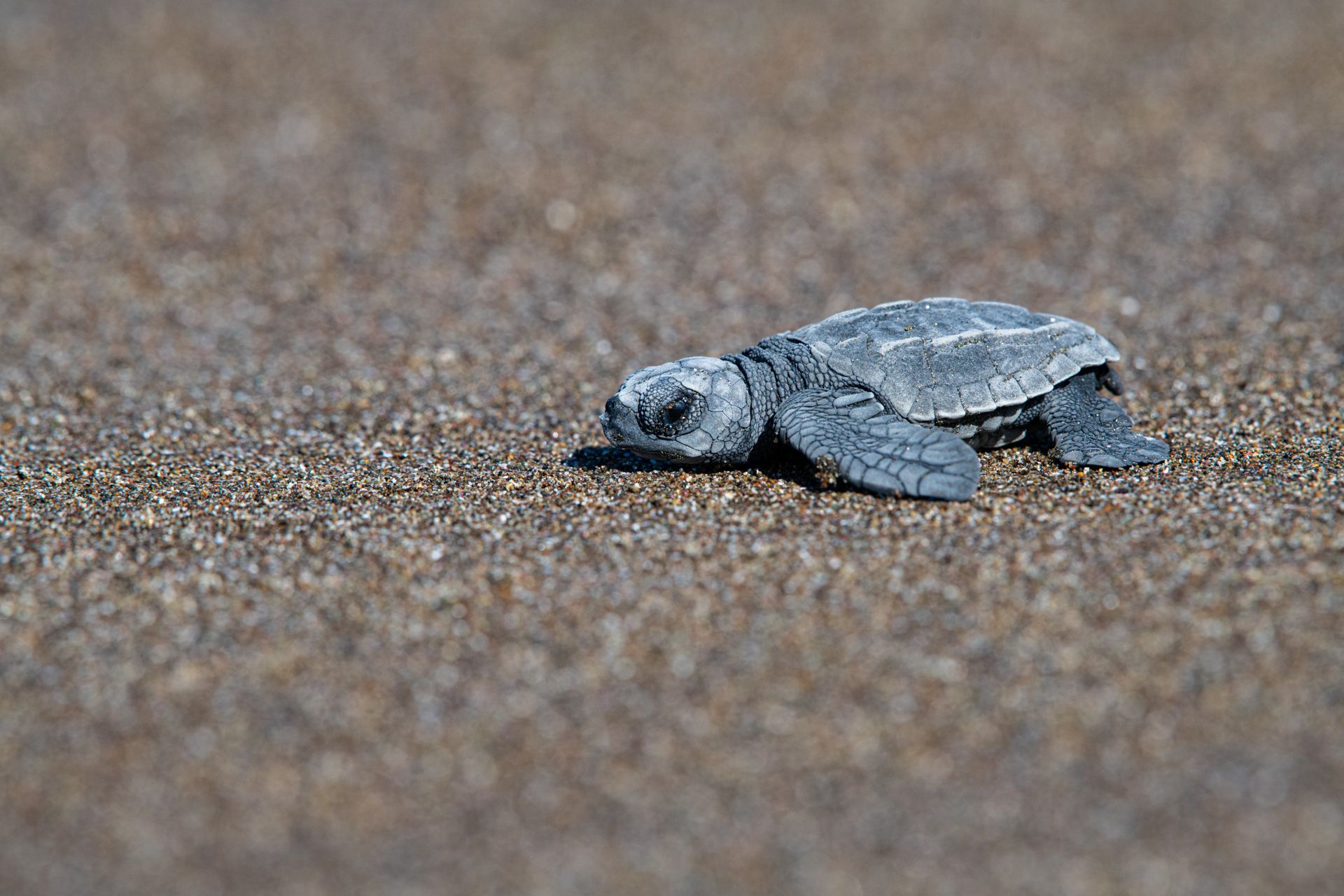
Ostional: the turtles at the end of the corridor
Hundreds of thousands of olive ridley turtles nest at Ostional, minutes north of Nosara. What an arribada is, when they happen, and how to see one properly.