The Birds of The Sanctuary Estate
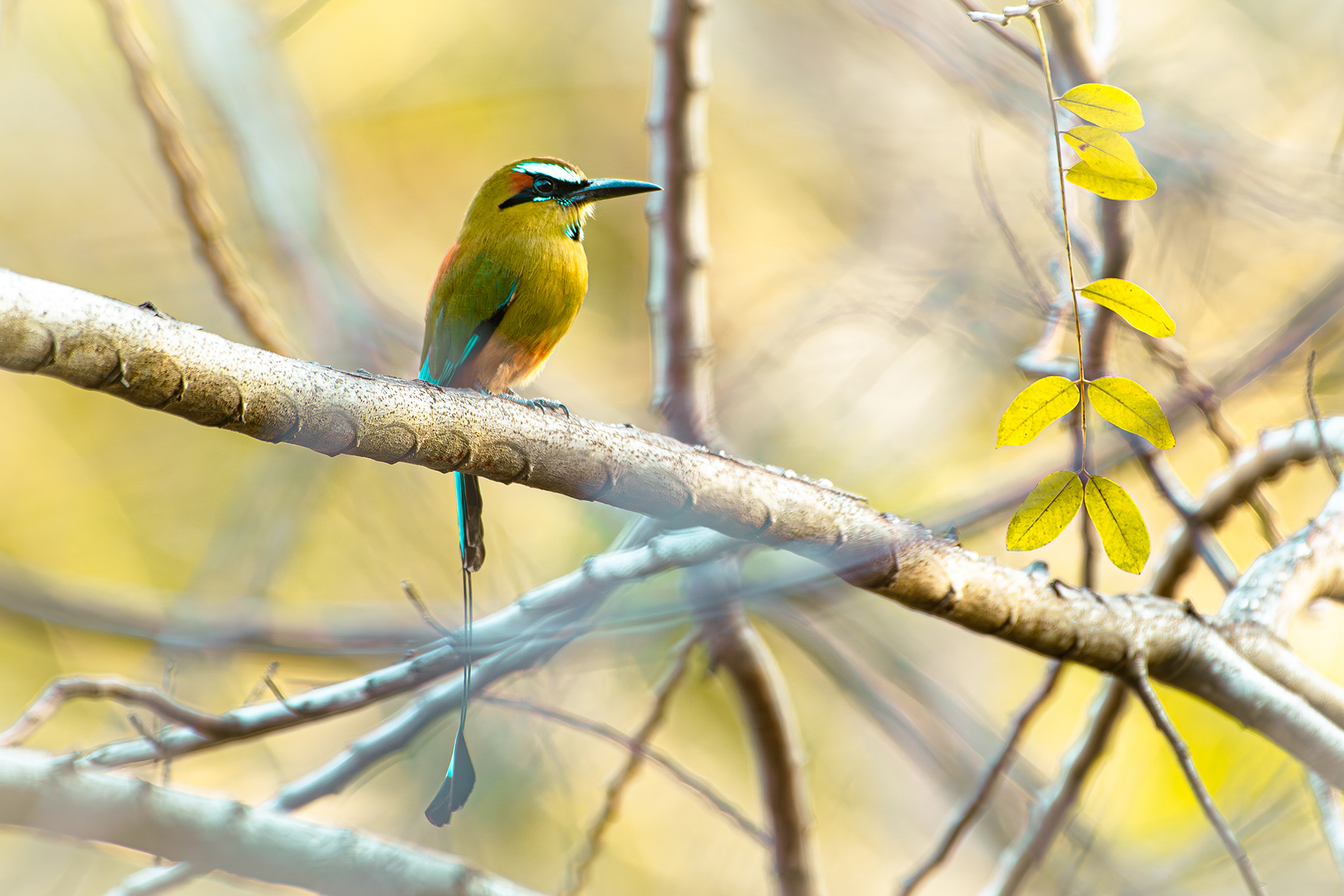
Stand still in the garden at first light and the birds arrive before you have finished your coffee. Yes, you will see a good range of birds at The Sanctuary Estate — motmots, trogons, parrotlets, hawks, and more — and the reason is simple. The land was replanted, and the birds followed.
When the estate began, this was bare, overgrazed pasture. Over roughly ten years it was regenerated with more than 9,000 trees and plants. Food, cover, and water came back, and with them the birds. What you hear on a morning walk now is the sound of that recovery.
Why do so many birds live on the estate?
Birds need three things: something to eat, somewhere to nest, and water nearby. The 16.3-acre property provides all three. Flowering plants feed the hummingbirds. Seed pods and fruit feed the parrots and jays. Two water sources on the land, and the Nosara River along the southern boundary, keep the whole system watered through the dry months.
One tree tells the story well. A Cassia siamea on the property draws Red-fronted Parrotlets, which come for the seed pods. Plant the right tree and the right bird finds it.
Which birds will I see at The Sanctuary Estate?
Here are some of the birds seen and heard on the grounds. Some are daily; some are a matter of patience and luck.
- Turquoise-browed Motmot — turquoise brow and a long racket-tipped tail; often near shade
- Gartered Trogon — green back, yellow belly; sits quietly and lets you look
- Red-fronted Parrotlet — small parrot that works the Cassia siamea seed pods
- Magpie Jays — long-tailed, blue, and loud; travel in small groups
- Great Kiskadee — bold yellow breast; usually heard before it is seen
- Smooth-billed Ani — glossy black, curved bill, moves in flocks
- Squirrel Cuckoo — rufous and long-tailed, forages through foliage
- Common Black Hawk — a bird of prey that surveys the grounds from above
- Turkey Vulture — reads the thermals overhead
- Black-bellied Whistling Duck — gathers near water, calls with a clear whistle
- Muscovy Duck — large, social, red-faced; stays close to water
- Guinea Fowl — noisy foragers that patrol the grounds and eat pests
- Hummingbirds — several kinds work the flowering plants through the morning
When is the best time to look?
Early. The hour after sunrise is the busiest, when birds feed and call before the heat. Late afternoon is a second, quieter window. Bring binoculars, walk slowly, and let the birds come to the flowering trees rather than chasing them through the canopy.
At a glance
- Where: The Sanctuary Estate, Nosara, Guanacaste, Costa Rica
- Why the birds are here: 9,000+ trees and plants regenerated over ~10 years from bare pasture
- Water: two on-site sources plus the Nosara River on the southern boundary
- Best viewing: the first hour after sunrise
- A tree to watch: the Cassia siamea, favored by Red-fronted Parrotlets
A birdwatcher tends to judge a place by its list. The longer list here is not an accident. It is what happens when land is given back its trees and left to recover: the birds come home.
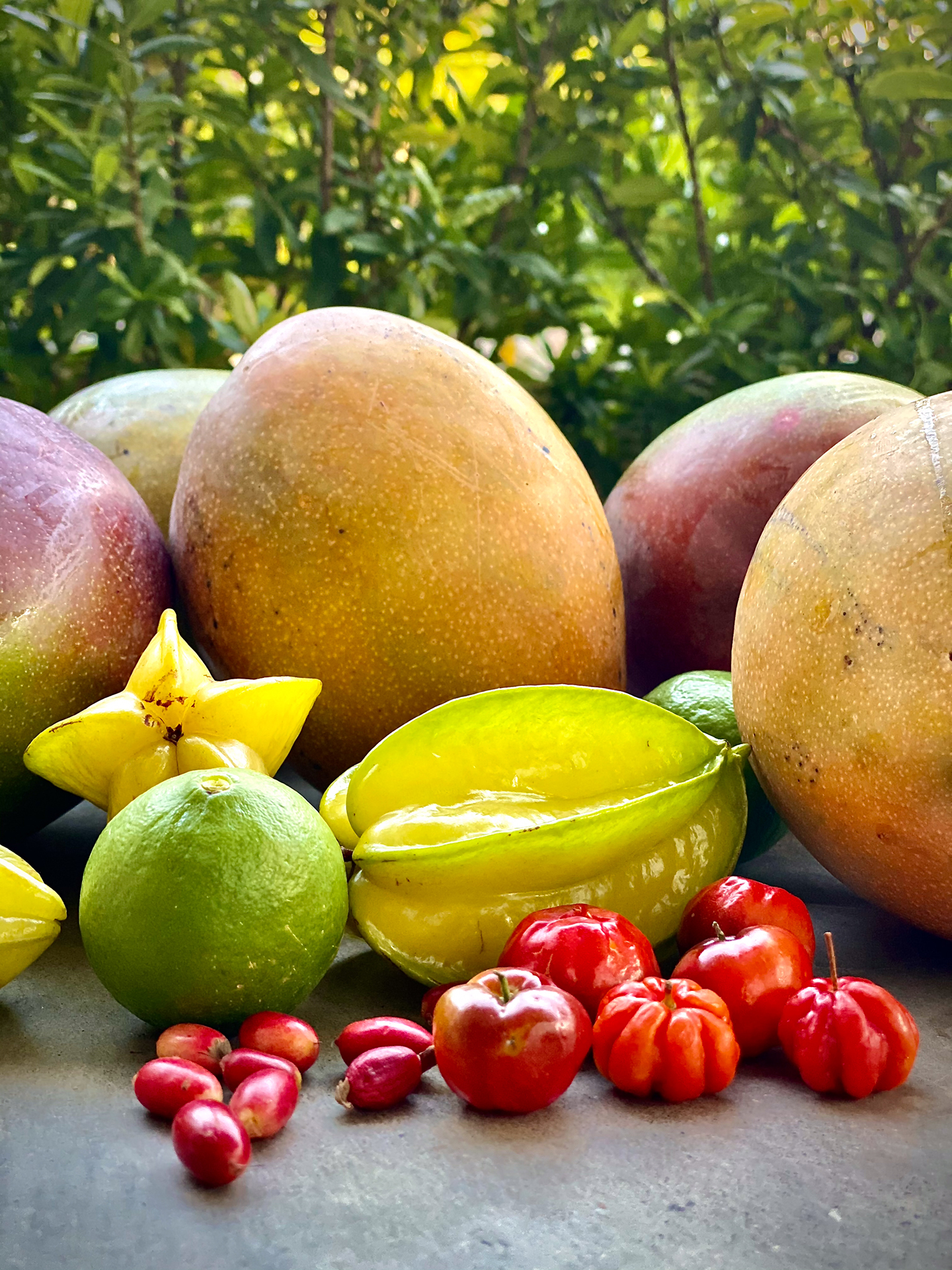
The orchard: a food forest of a hundred fruits in Nosara
Rambutan, cacao, coffee, soursop, star fruit and more — inside the estate's regenerated orchard, a working food forest of over a hundred fruit varieties.
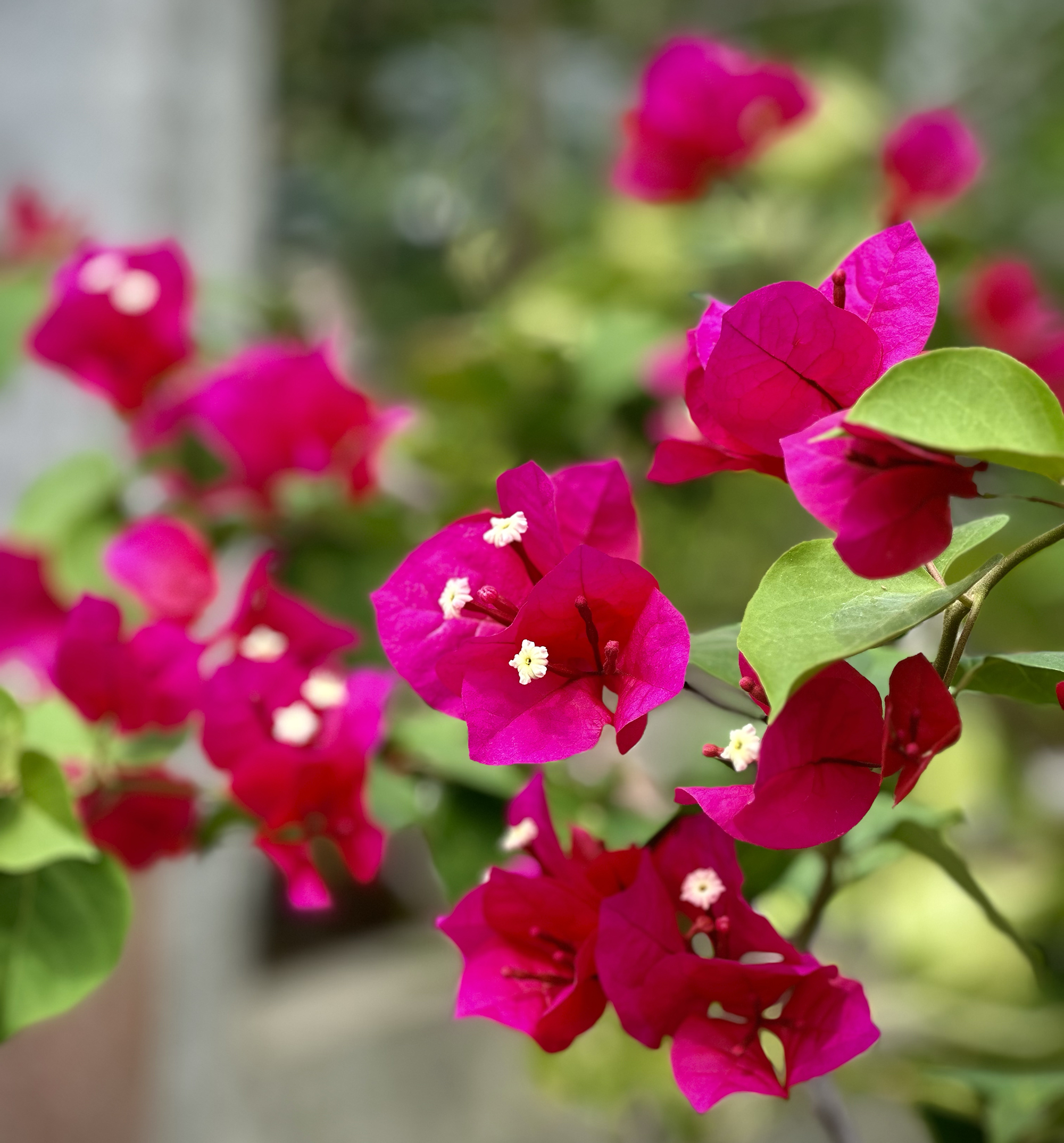
The flowering gardens of the Sanctuary Estate
Bougainvillea, plumeria, heliconia, and the flame of a coral tree — a walk through the tropical flowers that colour the estate's regenerated gardens in Nosara.