How the land came back: ten years regenerating a Nosara estate
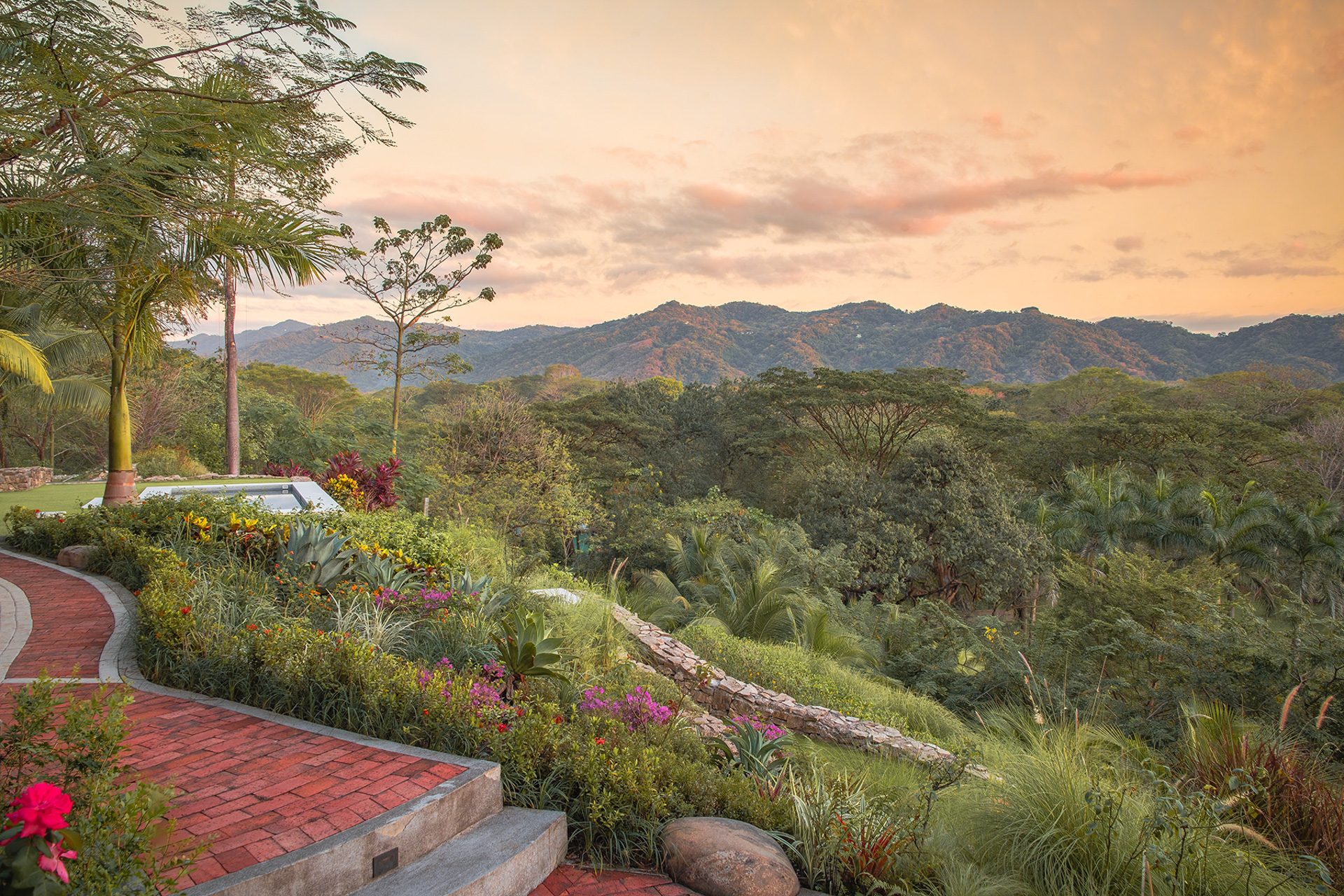
Ten years ago, this was a bare, overgrazed lot. Today it is a forest: nine thousand trees and plants, an orchard of tropical fruit, gardens, and river frontage that pulls wildlife back to the land. How a piece of tired Guanacaste pasture became this is the real story of the estate.
What the land was
Much of rural Guanacaste carries the same history: decades of cattle grazing that stripped the soil, thinned the tree cover, and left ground that shed water instead of holding it. That is where this land started — bare, sun-hammered, and quiet.
What ten years of regeneration did
Regeneration is patient work. Over a decade, the land was replanted and rebuilt: nine thousand trees and plants, chosen to bring back shade, hold the soil, and feed both people and wildlife. An orchard went in with more than a hundred fruit varieties. Native and flowering species followed. As the canopy closed and roots deepened, the soil came alive again and began to hold water rather than lose it.
The river, and the water beneath
Along the southern boundary runs the Nosara River, with a high water table close beneath the surface. That water, held now by living soil and shade, is why the orchard fruits and the gardens hold through the dry season. It is also why the estate carries a secured water letter and two water sources — the rarest and most valuable thing a property here can have.
The wild returned
The truest measure of the work is what came back on its own. Turquoise-browed motmots and trogons in the trees, whistling ducks on the seasonal pond on the adjoining parcel, howler monkeys moving through the canopy at dawn. Build the habitat and the animals find it. A landscape this alive cannot be bought ready-made; it is grown.
Why it matters to a buyer
A regenerated estate is worth more than the sum of its features. The soil, the water, the shade, and the wildlife are the product of ten years no new owner has to spend. Whether the vision is a home, a retreat, or a longevity project, the hardest part — bringing land back to life — is already done.
The short version: a decade of regeneration turned overgrazed Nosara pasture into a living forest of nine thousand trees, a fruiting orchard, and returning wildlife, anchored by the Nosara River and a rare secured water supply. To see it, arrange a private viewing.
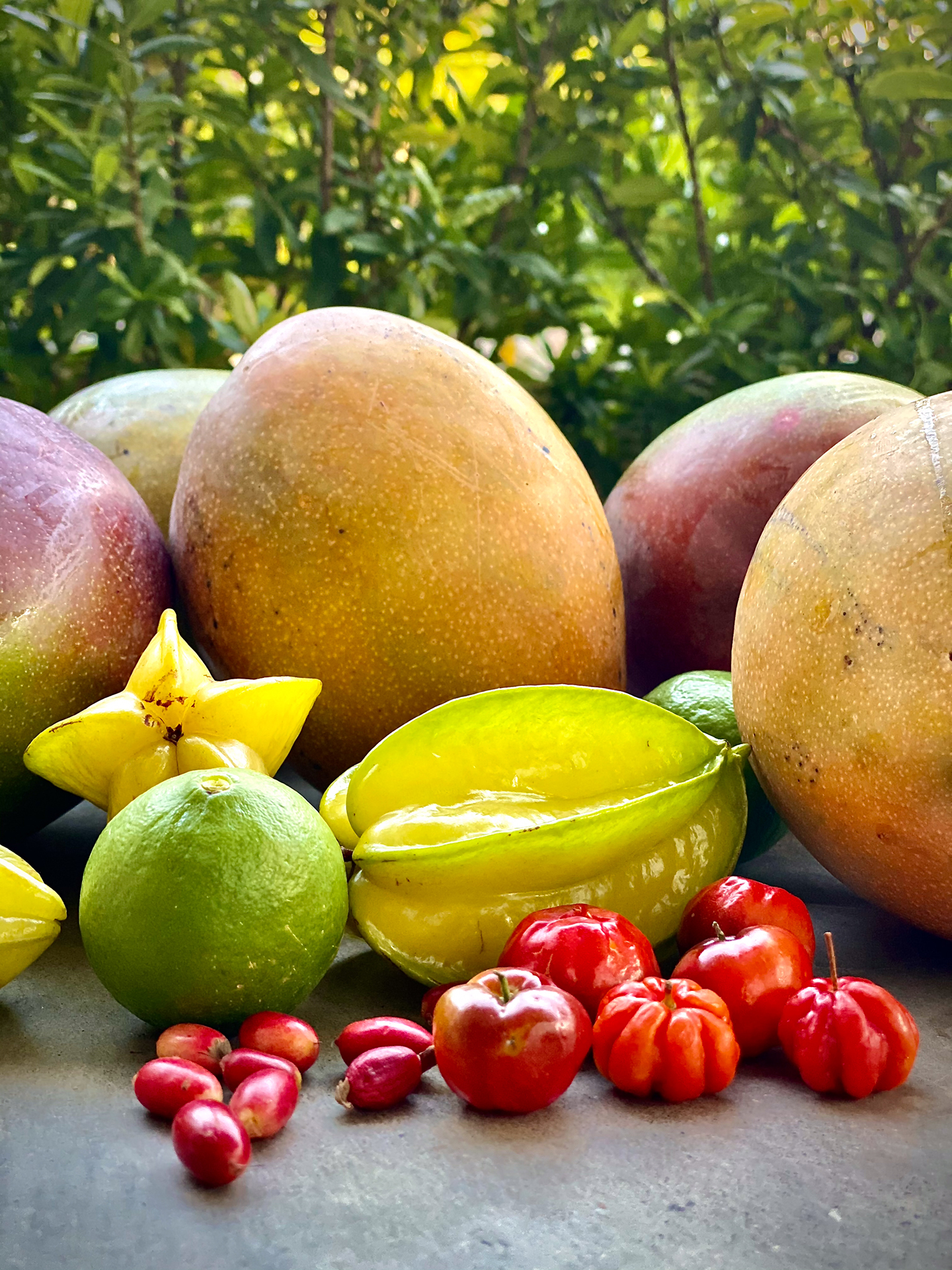
The orchard: a food forest of a hundred fruits in Nosara
Rambutan, cacao, coffee, soursop, star fruit and more — inside the estate's regenerated orchard, a working food forest of over a hundred fruit varieties.
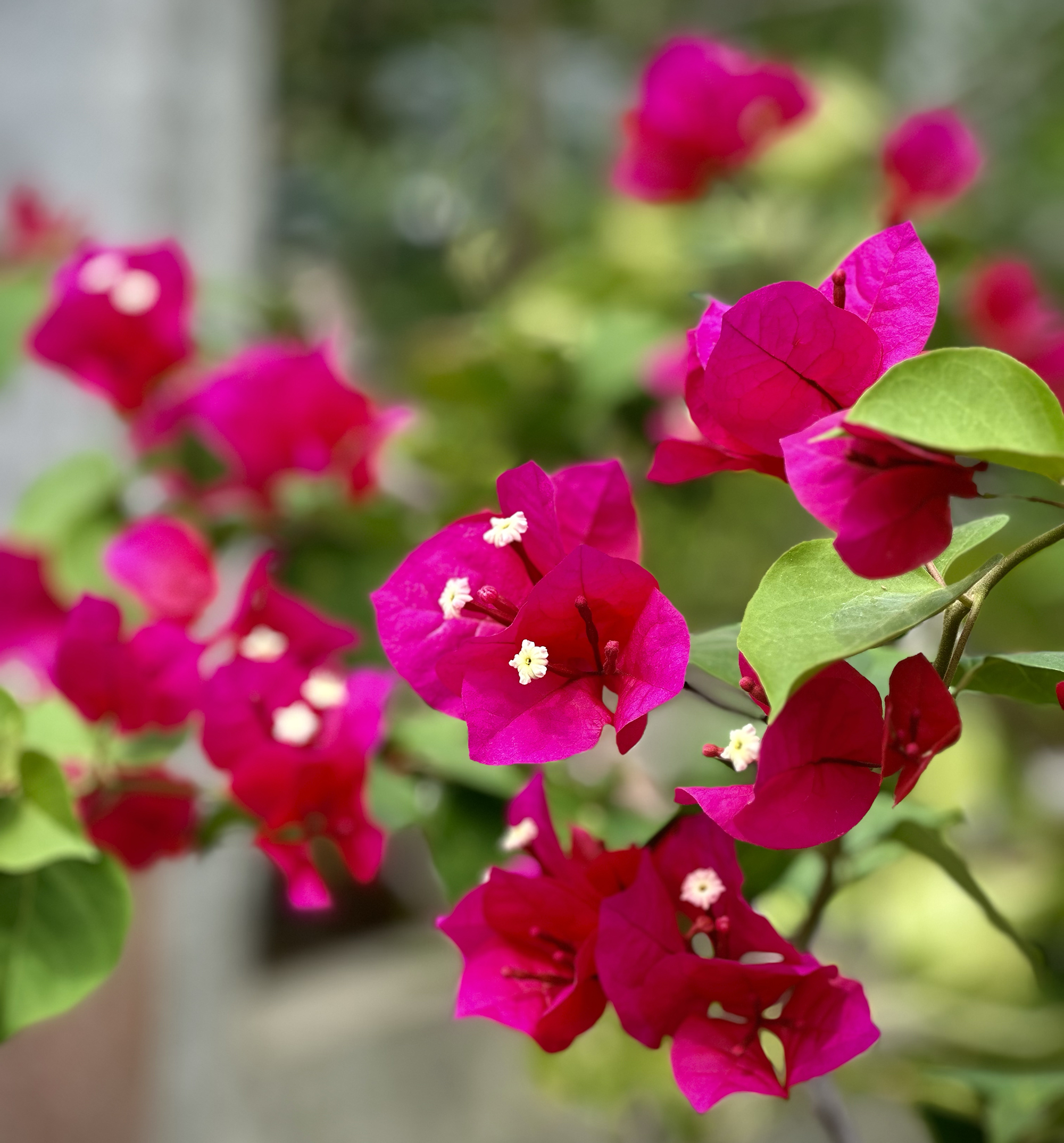
The flowering gardens of the Sanctuary Estate
Bougainvillea, plumeria, heliconia, and the flame of a coral tree — a walk through the tropical flowers that colour the estate's regenerated gardens in Nosara.