Howler Monkeys at The Sanctuary Estate
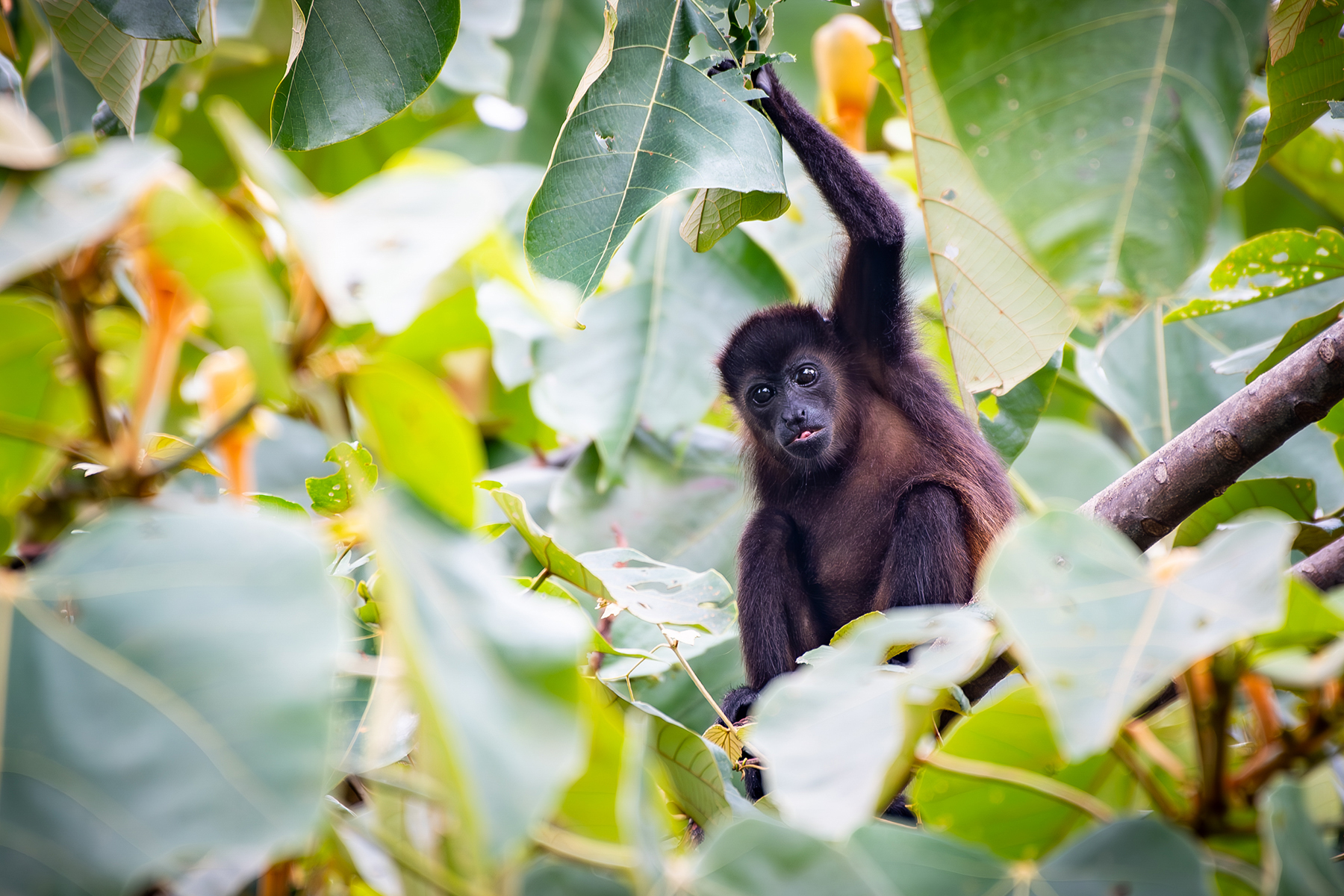
The first thing most visitors notice is the sound — a low, rolling roar from somewhere in the trees before dawn. That is the howler monkeys, and yes, you will both hear and see them at The Sanctuary Estate. They are part of daily life here, moving through the canopy at dawn and dusk to feed.
Will I see howler monkeys in Nosara?
Very likely. Howlers are common across the Nicoya Peninsula, and on a 16.3-acre property regenerated with more than 9,000 trees, they have plenty of canopy to travel and feed in. If you don’t spot them in the branches, you will hear them — the call carries for up to three miles.
The home gives you a close seat. From the bathroom window you look onto an Acacia melanoxylon, where the monkeys often gather to feed on the flowers. The wildlife comes to the doorstep.
What are howler monkeys?
Howler monkeys (Alouatta) are the largest of the New World monkeys — the largest monkeys native to the Americas. They are named for their voice. A specialized throat structure lets a troop produce a call loud enough to carry for miles, which they use to hold territory and keep in contact with neighboring groups.
They earn their place in the forest, too. Howlers eat leaves, flowers, and fruit, and in doing so they spread seeds across the canopy, helping the forest regenerate. On a property built around bringing land back to life, that work matters.
When are they most active?
Dawn and dusk. Those are the reliable windows — the troop moves and feeds while the air is cool, and the morning call is loudest just before and after sunrise. Through the heat of midday they tend to rest quietly in the shade.
At a glance
- Species: mantled howler monkey, Alouatta palliata
- Size: the largest monkey native to the Americas
- Their call: carries up to three miles
- Best time to see them: dawn and dusk, feeding in the canopy
- On the estate: regular visitors across 16.3 acres and 9,000+ trees and plants
Elsewhere, deforestation pushes howlers out. Here the trees were planted back, and the monkeys returned to use them. Their presence is a fair measure of whether the land is truly alive.
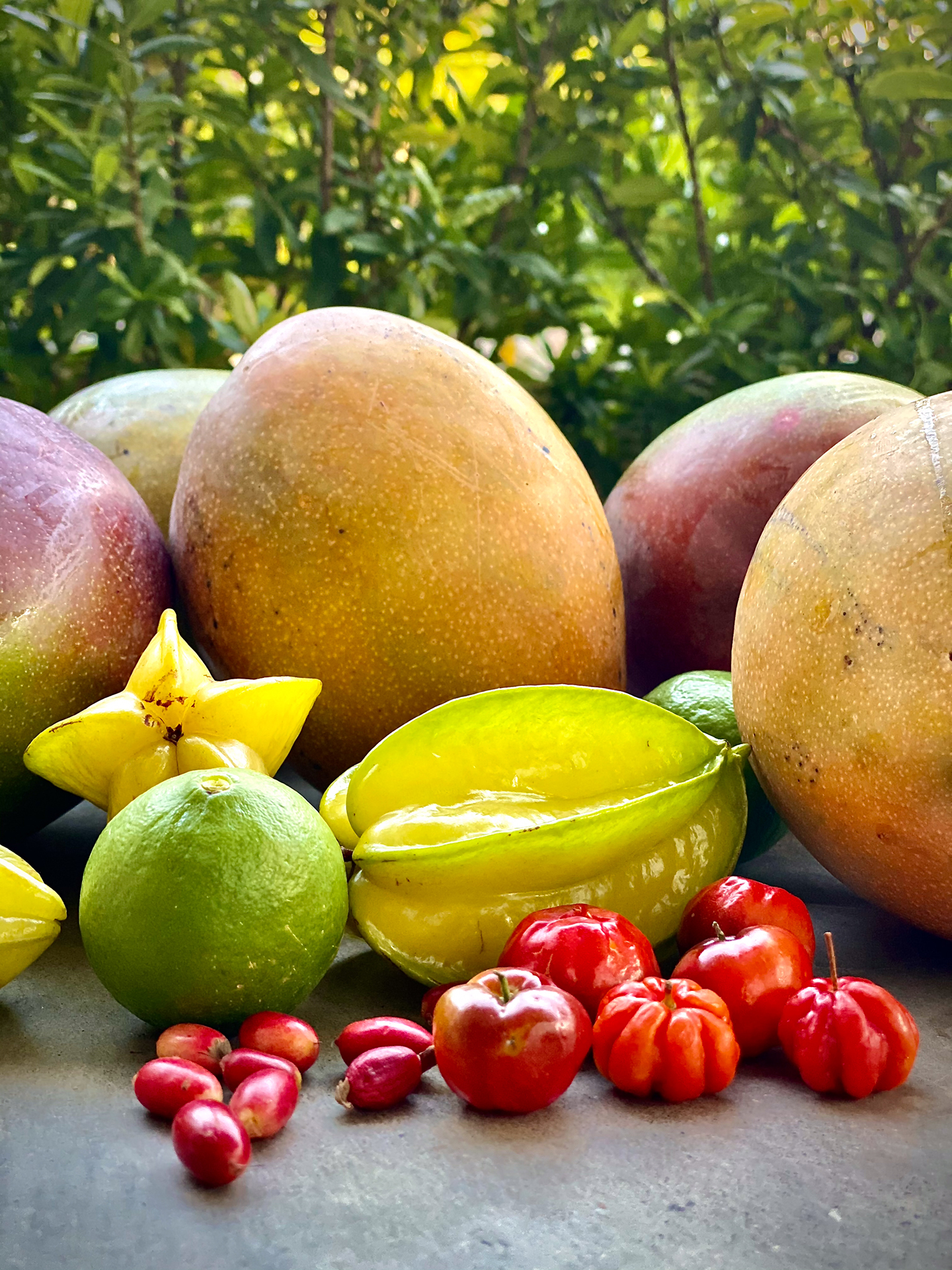
The orchard: a food forest of a hundred fruits in Nosara
Rambutan, cacao, coffee, soursop, star fruit and more — inside the estate's regenerated orchard, a working food forest of over a hundred fruit varieties.
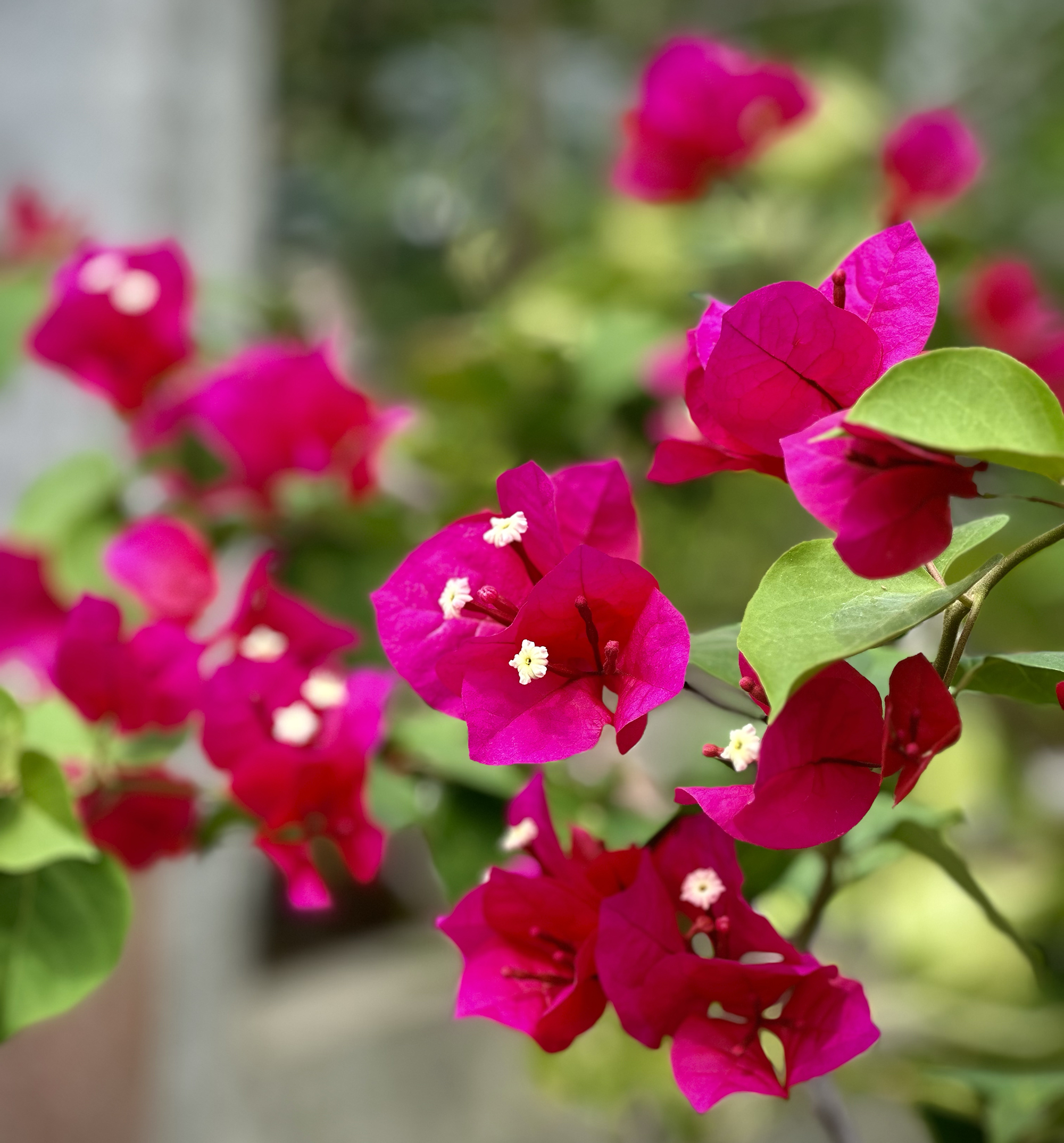
The flowering gardens of the Sanctuary Estate
Bougainvillea, plumeria, heliconia, and the flame of a coral tree — a walk through the tropical flowers that colour the estate's regenerated gardens in Nosara.