Sustainable Luxury: The Estate's Infrastructure, Built for Nosara

The estate is already built to run through the things that make jungle living difficult in Nosara: power that drops, water that runs short in the dry season, and sanitation systems that need constant attention. The infrastructure is in the ground and working, which is the part most buyers underestimate until they are deep in a build.
What makes infrastructure hard in Nosara?
Nosara is beautiful and remote, and the two go together. The town’s services are still catching up to the number of people who want to live here, and a few realities shape any property you look at:
- Roads. Most are gravel and unpaved, and some routes get harder to travel in the rainy season. Year-round access matters more than it first appears.
- Sanitation. Many homes still run older septic systems that need regular pumping and can’t handle everything a modern household puts through them.
- Power and water. The local grid is prone to outages, and water gets tight in the dry months. A property that depends entirely on either can leave you without both.
None of this is a reason to avoid Nosara. It’s a reason to look closely at what a property has actually solved before you buy.
How does the estate handle power?
The estate runs on solar with battery backup, on top of a grid connection. When the grid drops, the battery carries the house for about six hours, so air conditioning, lighting, and everything else keep running through a typical outage. The solar side lowers the draw on the grid day to day, which suits a property meant to sit lightly in the jungle rather than fight it.
What about water?
Two things secure the water supply. The estate draws from two water sources, and it holds a water letter — the permit that lets you legally build and connect water in Nosara, which can take years to obtain. Water is then held in storage tanks so the house and gardens stay supplied through the dry season, when shortages are most common. Two sources plus storage means the property isn’t waiting on a single point of failure.
What handles waste?
The estate uses a Bionest treatment system rather than a conventional septic tank. It processes both black and gray water and treats it to a standard clean enough to irrigate the grounds. In practice that means no routine tank pumping and no restrictions on what goes down the drain — a meaningful difference from the older systems still common in the area.
At a glance
- Power: solar + battery backup + grid, with roughly 6-hour battery coverage through outages
- Water: two water sources, a secured water letter, and on-site storage tanks
- Sanitation: Bionest system treating black and gray water, cleared for irrigation reuse
- Access: automatic gated entrances and gravel roads across the 16.3-acre estate
The short version: the hard, slow, expensive parts of building in Nosara are already done here. Power, water, and waste are handled, the water letter is in hand, and the land is ready to build on rather than fight through.
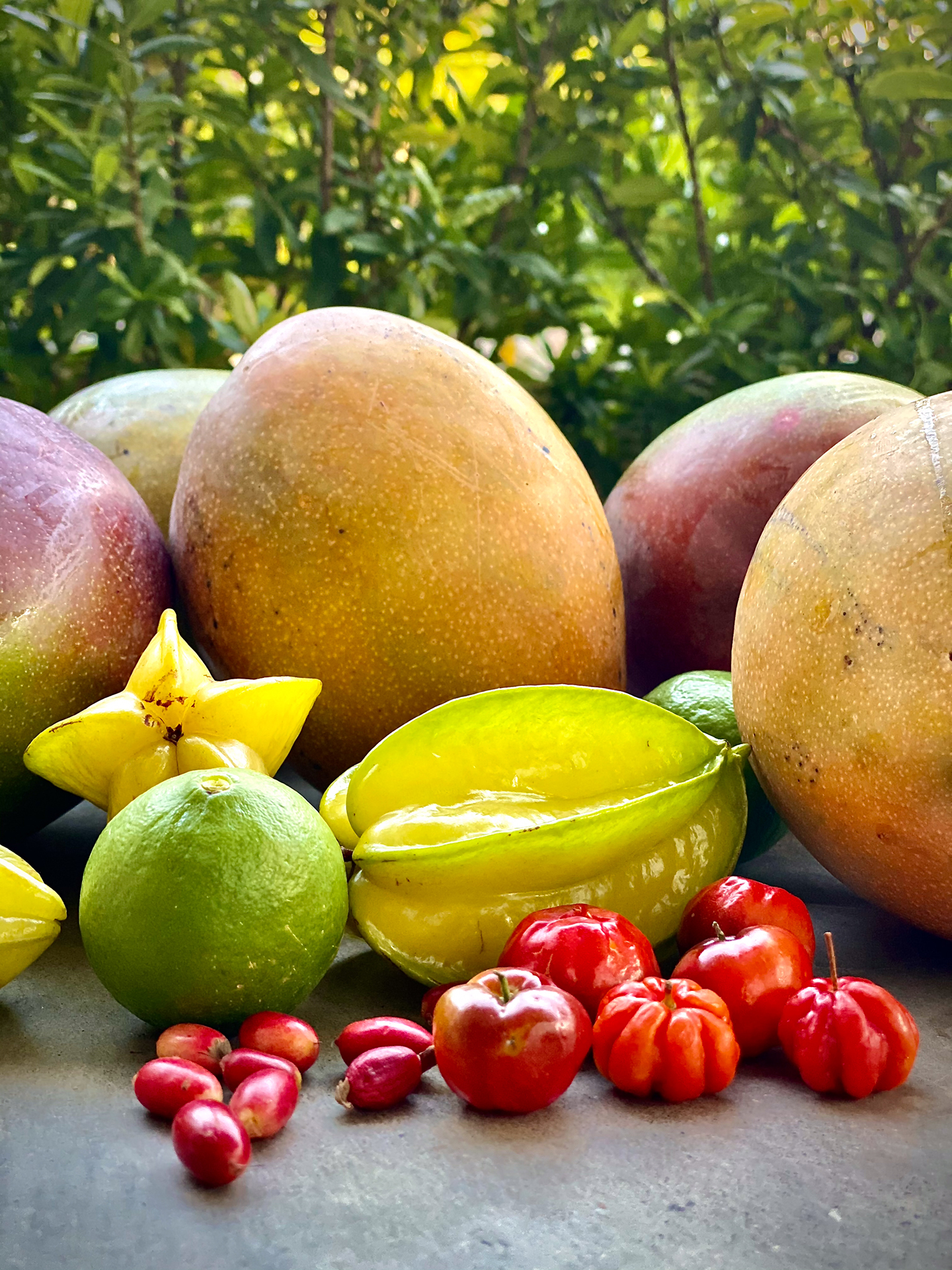
The orchard: a food forest of a hundred fruits in Nosara
Rambutan, cacao, coffee, soursop, star fruit and more — inside the estate's regenerated orchard, a working food forest of over a hundred fruit varieties.
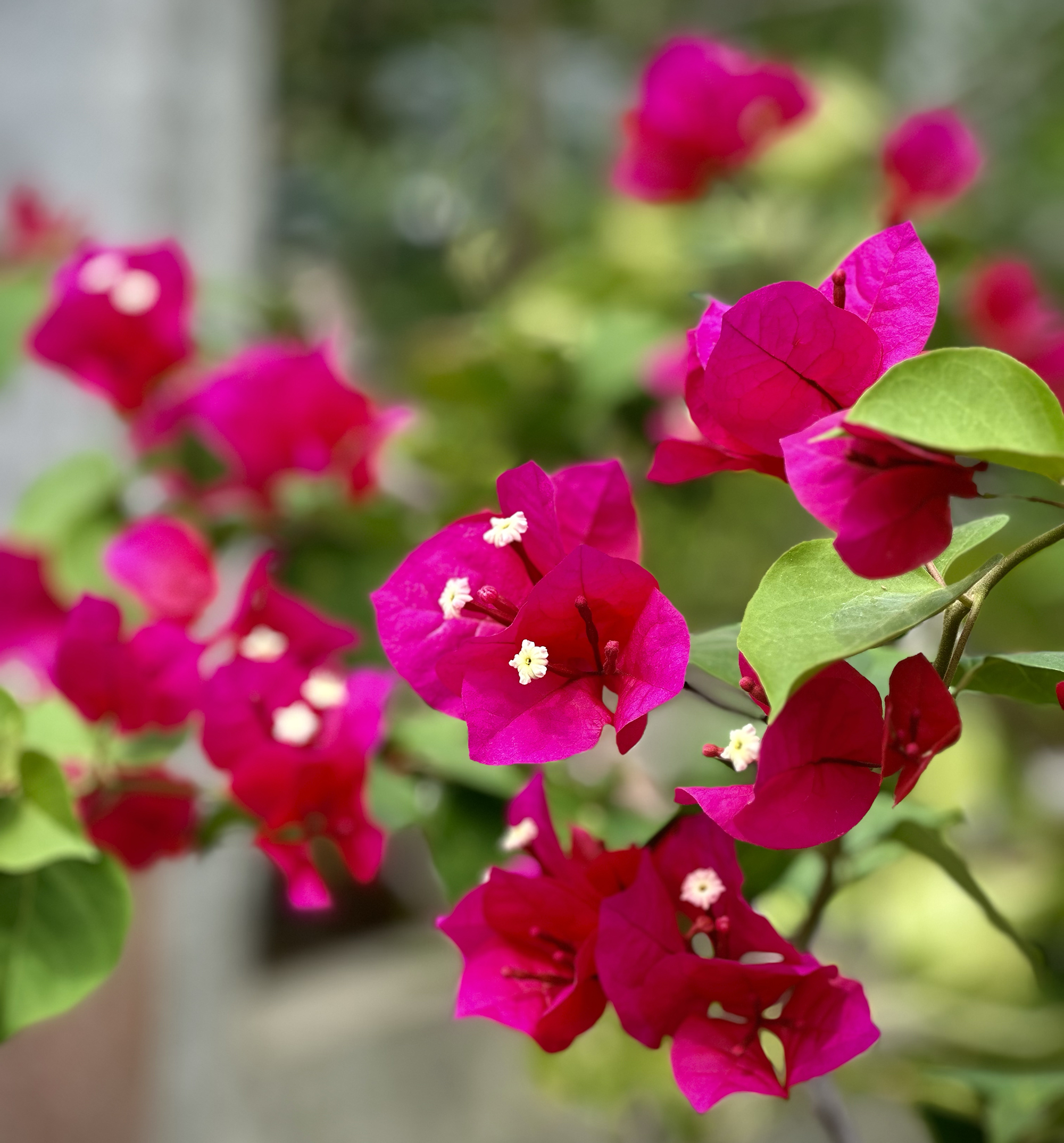
The flowering gardens of the Sanctuary Estate
Bougainvillea, plumeria, heliconia, and the flame of a coral tree — a walk through the tropical flowers that colour the estate's regenerated gardens in Nosara.