Wellness real estate: the $1.8 trillion shift in how we live
Wellness used to live in hotels, spas, and retreats — somewhere you went. It is moving into where people actually live, and the numbers behind that shift are hard to ignore.
What is wellness real estate?
Wellness real estate means homes, communities, and developments designed intentionally around physical and mental wellbeing — access to nature, clean air and water, natural light, spaces for movement and rest, and a setting that supports a healthier way of living. It is the residential version of what wellness travellers already seek: the person who picks a hotel for its morning yoga and farm-to-table kitchen is starting to ask the same of the place they live.
A $1.8 trillion shift
This is not a niche. According to the Global Wellness Institute, which tracks the global wellness economy, the wellness real estate market reached $876 billion in 2025, up from $151 billion in 2017, and is forecast to reach $1.8 trillion by 2030 — topping $1 trillion for the first time in 2027. It grew at an average of about 23.6% a year between 2019 and 2025, roughly double the next-fastest wellness market. Asia-Pacific and North America lead, with the United States the largest single market.
In other words, designing homes around wellbeing has become one of the defining shifts in how the built environment is planned, valued, and chosen.
Why this estate already is wellness real estate
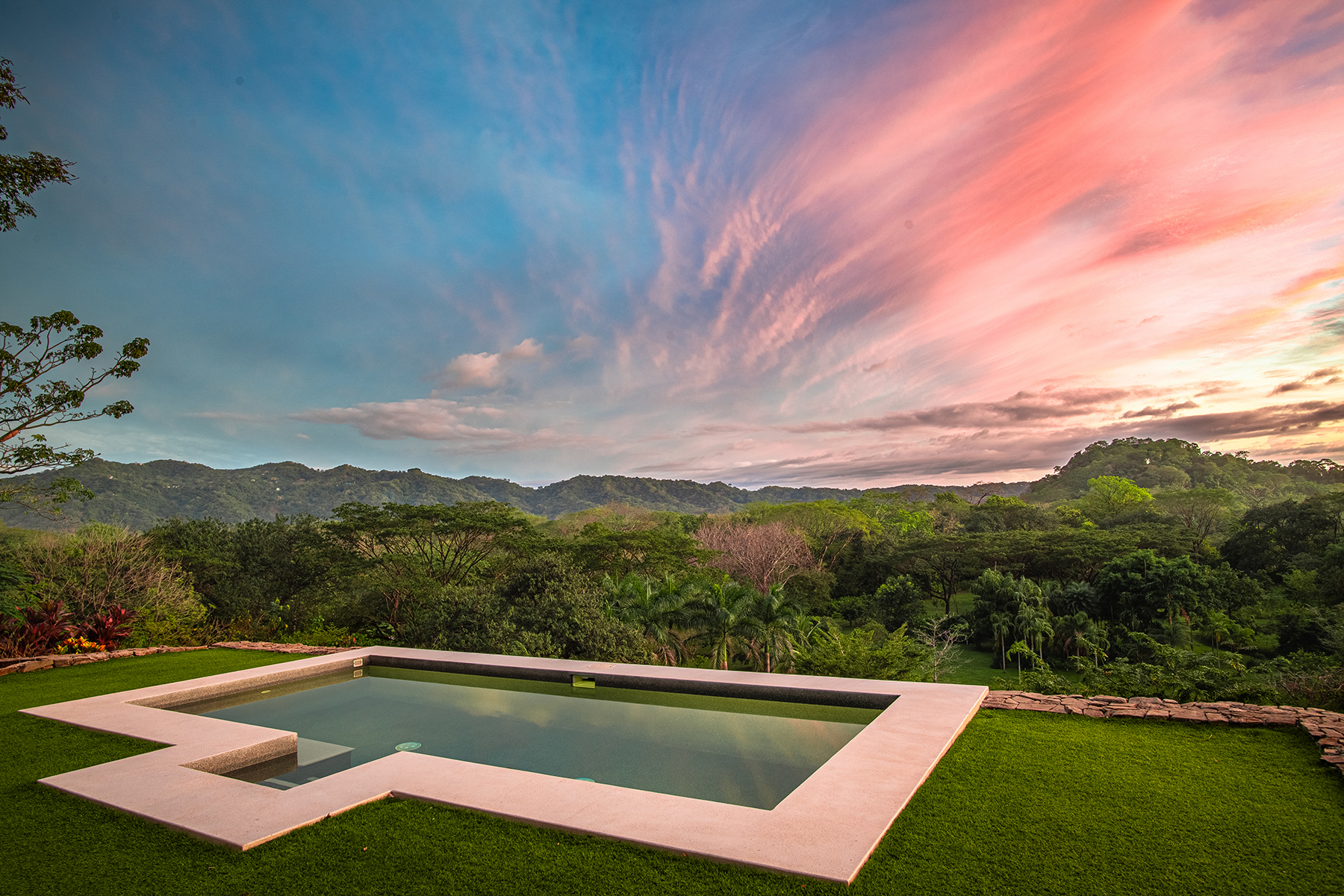
Most wellness developments are built from scratch, with the “wellness” designed into the plan. This estate arrives at the same place from the other direction: it was regenerated around wellbeing over a decade, before the category had a name.
It sits inside the Nicoya Blue Zone, one of five places on earth where people reliably live past ninety. The land holds nine thousand trees, an orchard that feeds the kitchen, a river, clean water from a secured source, and air and quiet no retrofit can manufacture. Movement, nature, food, rest, and community — the pillars every wellness home is now designed to provide — are simply how life already works here.
At a glance
- Wellness real estate, 2025: $876 billion (Global Wellness Institute).
- Forecast 2030: $1.8 trillion; passes $1 trillion by 2027.
- Growth: ~23.6% a year, 2019–2025 — roughly double the next-fastest wellness sector.
- The idea: homes designed around nature, air, movement, rest, and community.
- This estate: a Blue Zone property regenerated around wellbeing for a decade.
The short version: wellness real estate — homes built around wellbeing — is a fast-growing global market on track for $1.8 trillion by 2030, and the Sanctuary Estate is a rare, ready example of it: a Blue Zone property where healthy living is built into the land. To see it, arrange a private viewing.
Market figures: Global Wellness Institute, 2026.

The orchard: a food forest of a hundred fruits in Nosara
Rambutan, cacao, coffee, soursop, star fruit and more — inside the estate's regenerated orchard, a working food forest of over a hundred fruit varieties.
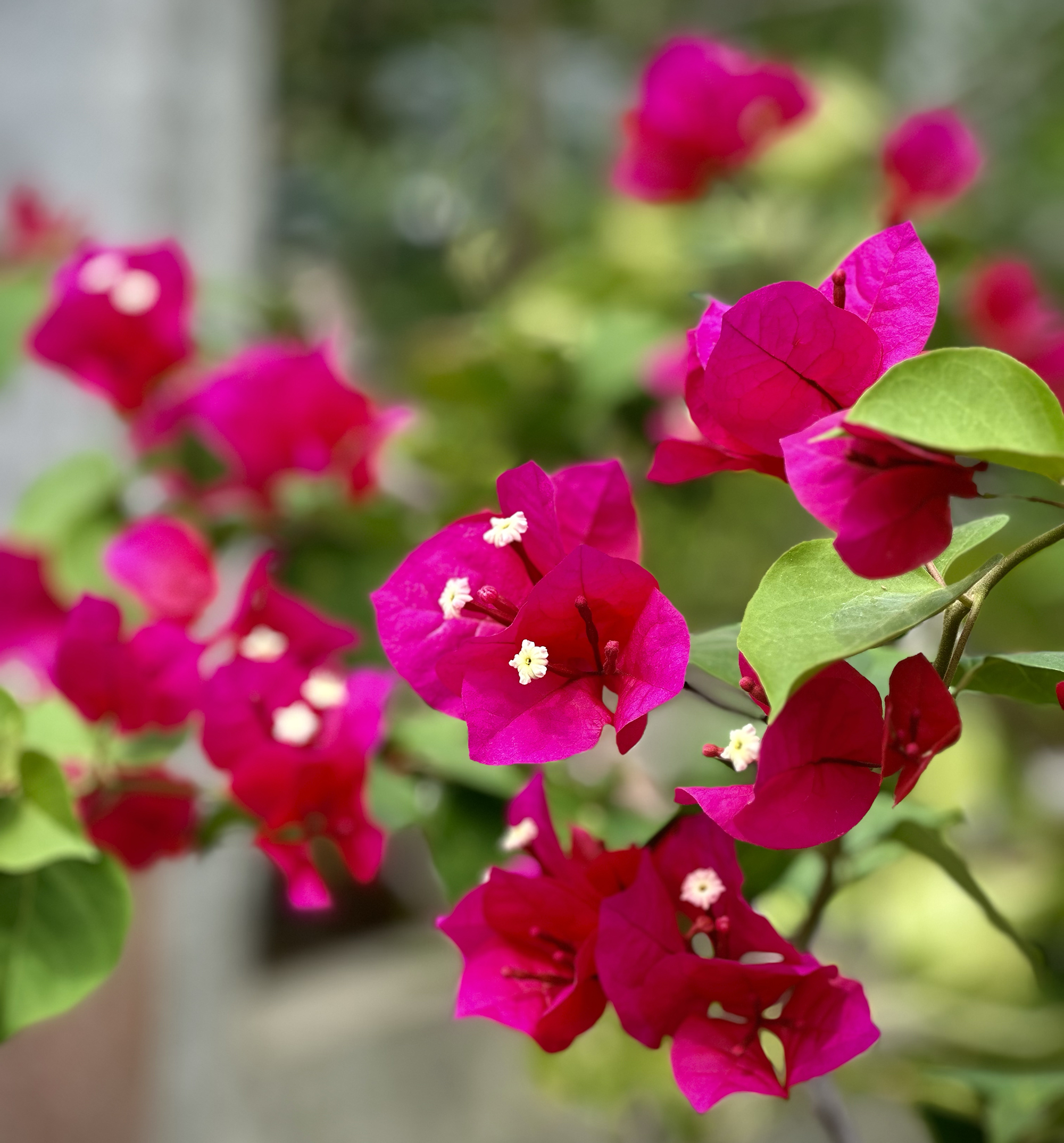
The flowering gardens of the Sanctuary Estate
Bougainvillea, plumeria, heliconia, and the flame of a coral tree — a walk through the tropical flowers that colour the estate's regenerated gardens in Nosara.